

Grieving in Chicago When Family Is Far Away
Hindu grief support in Chicago starts with people: friends, your temple community, your doctor, a grief counselor or hospice bereavement program, and the Suicide and Crisis Lifeline if grief turns to thoughts of ending your life. Alongside them, you can keep the rites here: a daily lamp, the thirteen days, joining ceremonies in India by video and a later shraddha.
Key takeaways
- Cremation in India usually happens quickly, often within a day.
- Funeral homes in the Chicago area handle Hindu cremations regularly.
- The Chicago area has a large and long-established South Asian community, with temples, gurdwaras, cultural associations and regional groups from almost every part of India.
- A reading is never the first step in grief.
- No ritual removes grief, and no reading can tell you for certain where your loved one is.
The call often comes at an odd hour. A parent in Hyderabad, a grandmother in Ludhiana, an uncle in Surat has died, and you are in Chicago, ten and a half or eleven and a half hours behind, with a job, a lease and perhaps a visa that makes travel hard. Or the death happens here, and the family who would normally fill the house is on the other side of the world. If you are looking for Hindu grief support in Chicago, this post is about both situations: the rites you can keep here, the people to lean on and the professional help worth reaching for.
First, the people and services
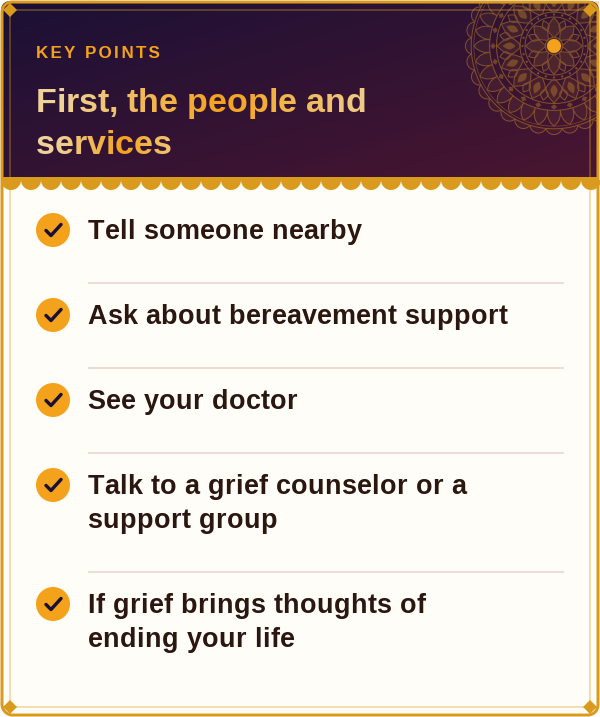
Rituals help, but people help more. In the first days and weeks:
- Tell someone nearby. A friend, a coworker, a neighbor, someone from your temple. Grief carried alone weighs more.
- Ask about bereavement support. If your loved one was in hospice care, the hospice offers bereavement services to the family. Your employer may have bereavement leave and an employee assistance program with counseling.
- See your doctor if you cannot sleep, eat or function after the first weeks.
- Talk to a grief counselor or a support group. The NAMI Chicago Helpline, can point you toward local support groups and services by call or text.
- If grief brings thoughts of ending your life, contact the Suicide and Crisis Lifeline at any hour, or call emergency services.
The Hospice Foundation of America's explanation of what grief is is a good reminder that grief has no fixed timetable and touches the body, mind and spirit. What you are feeling is a normal response to loss, even when it does not feel normal.
When the death is in India
Joining the rites from here
Cremation in India usually happens quickly, often within a day. If you cannot get there, ask a relative to set up a video call during the rites. It is not the same as being present, but many families now do this, and seeing the ceremony can help with the disbelief that distance creates.
Keeping the first thirteen days
Many Hindu families observe a period of mourning that closes on the tenth, twelfth or thirteenth day, depending on community; the overview of Antyesti, the Hindu last rites describes how customs vary. In a Chicago apartment, that can mean:
- A lamp lit each evening beside a photograph, with a glass of water and a few flowers.
- Simple food at home, and no celebrations or festival observances.
- Reading from the Bhagavad Gita, the Garuda Purana or another text your family uses, or listening to a recording.
- Joining the family by video on the final day, when the closing rites and meal are held.
The months that follow
Some families keep a monthly remembrance through the first year, then a first anniversary rite, the barsi or varshik shraddha. Pitru Paksha, the two weeks set aside for ancestors each autumn, becomes a yearly time to remember. The post on a simple Pitru Paksha practice in a Chicago apartment explains how to keep tarpan at home.
When the death is here and family is far
Funeral homes in the Chicago area handle Hindu cremations regularly. Ask them early about what your family needs: time for prayers before the cremation, whether close family may be present at the start, and how ashes can be released to you. Many families carry the ashes to India for immersion later; the funeral home can explain the documents involved. A temple priest, or a priest guiding you by video, can lead the rites if relatives cannot fly in.
When relatives arrive weeks later, they may want to hold their own observances. That is normal. Grief does not move on one family's schedule.
Lean on community, not only ritual
The Chicago area has a large and long-established South Asian community, with temples, gurdwaras, cultural associations and regional groups from almost every part of India. Many have members who have been through exactly this. Let them bring food, sit with you and tell stories about the person you have lost. Accepting help is part of how a community grieves together.
Where guidance fits, and where it does not
A reading is never the first step in grief. Once the first weeks have passed, some families find it helpful to have the dates of the thirteenth day, the monthly rites and the first shraddha worked out for Central Time, along with simple observances they can keep. Ancestral prayers (Pitru) guidance does exactly that, calmly and without fear. If you are thinking about a medium session, the post on grief and when a reading might help explains why many people wait until after the first rites.
What no rite or reading can do
No ritual removes grief, and no reading can tell you for certain where your loved one is. What rites can do is give the days a shape and keep you connected to family and tradition across the distance. Astrologer and Psychic Vijayram offers them as faith practice beside the care of people and professionals, never in place of it.
Common questions
I could not fly home for my father's funeral. Did I fail him?
No. Visas, work, children, health and the speed of cremation in India keep many people from traveling in time. The rites belong to the whole family, and keeping them from Chicago, by lamp, prayer and video, is a real part of them. Guilt is common in grief; if it will not ease, a counselor can help.
Can a temple in the Chicago area hold a shraddha for us?
Many temples offer priest services for remembrance rites, and some priests will also come to a home or guide you over video. Call the temple, describe what your family keeps and ask what they offer and when. Customs differ between communities, so say where your family is from.
What should we avoid during the mourning period?
Customs vary, but many families avoid celebrations, new purchases and festival observances for the first thirteen days or longer, and keep food simple. Follow your family's practice where you can. Nobody should be pressured to stop working or caring for children in order to observe customs.
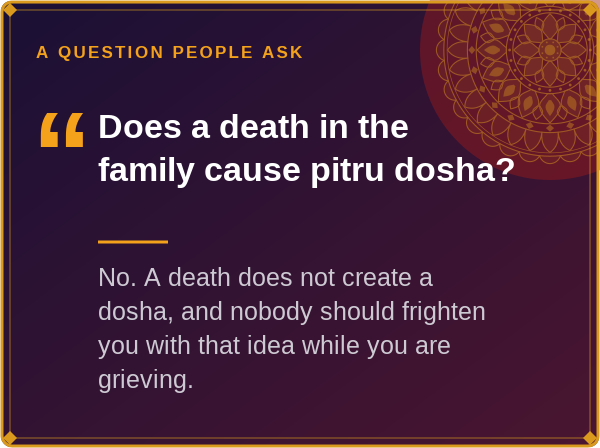
Does a death in the family cause pitru dosha?
No. A death does not create a dosha, and nobody should frighten you with that idea while you are grieving. The post on what pitru dosha means explains the tradition calmly, as remembrance rather than a curse.
Related service

Keep reading
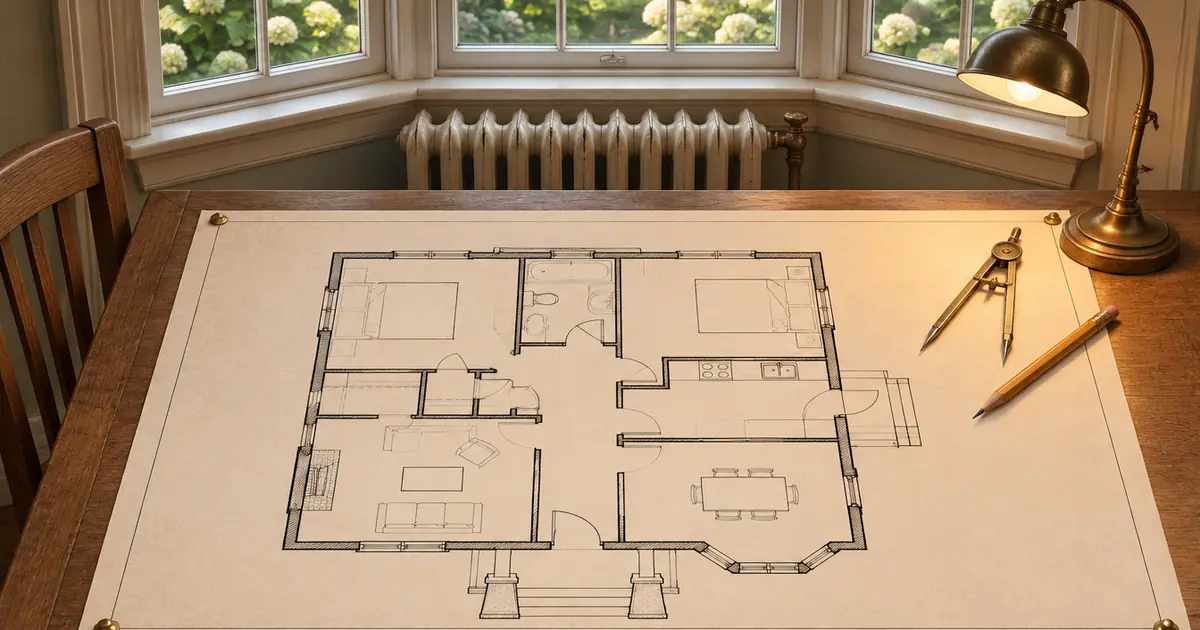
Vastu for Chicago Apartments and Bungalows
Vastu for apartments and bungalows in Chicago: the street grid, fixed kitchens, radiators and north light, with changes renters can make without building work.
Read article →
The Seven Chakras Mapped to Everyday Habits
The seven chakras in a plain chart: where each sits, its theme and seed syllable, and one ordinary habit people use to reflect on it. A map, not a diagnosis.
Read article →
Chakra Balancing: What It Claims and What It Cannot Do
What chakra balancing is, whether it is real, how it is done and what it honestly cannot do: a contemplative practice of breath and sound, not a treatment.
Read article →Quick answers
How will I know if an aura cleansing helped?
What is aura cleansing, and how do you know if it helped? What people describe afterward, the plain limits of a traditional practice, and when to see a doctor.
Read answer →Should I tell my doctor I am having spiritual healing sessions?
Is spiritual healing medical treatment? No. Why to tell your doctor about spiritual healing sessions, and how faith practice can sit beside your medical care.
Read answer →Talk to Astrologer and Psychic Vijayram
Tell us what you are facing. If a reading is unlikely to help, you will be told that plainly.