
Choosing a Mantra: By Deity, by Planet or by Need
Which mantra to chant depends on how you choose: by deity, the form of the divine you feel close to; by planet, using your chart's ascendant lord, running period or a strained planet; or by need, such as peace, courage or focus. Pick one, keep it for at least forty days, and let consistency matter more than choice.
Key takeaways
- Many people already have a form of the divine they feel close to, often from childhood: Ganesha, Shiva, Durga, Krishna, Rama, Hanuman, Lakshmi or Saraswati.
- An astrologer looking at your birth chart has several places to look.
- A common rhythm is one round of 108 daily on a japamala for at least forty days.
- No mantra changes another person's will, decides a court case or replaces medical or psychological care.
"Which mantra should I chant?" is one of the most common questions people bring to an astrologer, and one of the easiest to overthink. There are three traditional ways to answer which mantra to chant: by the deity you feel drawn to, by the planets in your chart, or by what you need right now. All three are valid. This post explains each, with particular attention to how a mantra is picked from a chart.
Way one: by deity
Many people already have a form of the divine they feel close to, often from childhood: Ganesha, Shiva, Durga, Krishna, Rama, Hanuman, Lakshmi or Saraswati. The tradition calls this your chosen deity, the ishta devata, and a mantra to that deity is often the most natural practice of all. If you have a family deity, kuladevata, that is another strong starting point. Ask your parents or grandparents which mantra they chant; it may already be yours.
Way two: by planet, from your chart
An astrologer looking at your birth chart has several places to look. Each points to a different kind of mantra.
The ascendant lord
The planet that rules your rising sign, the lagna, is tied to your body, health and general direction. Its mantra is a steady, lifelong choice. The post on your lagna lord and where it sits explains how to find it.
The running period
Vedic astrology divides life into planetary periods, the mahadashas. Chanting for the lord of the period you are in is the most common chart-based suggestion, because it follows what is active now. The guide to plotting your Vimshottari timeline shows how to see which period is running.
A strained planet
If a planet is weak, combust or badly placed, and especially if its period is running, its mantra is offered to soften the difficulty. This is the same logic as a graha shanti, scaled down to a daily practice.
The Moon's nakshatra
Each of the twenty-seven nakshatras has a presiding deity: Agni for Krittika, Rudra for Ardra, Brihaspati for Pushya, and so on. A mantra to your birth nakshatra's deity is a gentle, personal option. The guide to the 27 nakshatras lists them.
The deity the chart points to
In the Jaimini school, the twelfth house from the karakamsha, a position derived from the planet with the highest degree in your chart, is read for the deity whose worship suits you. It is a more technical method, usually used in a full Vedic birth chart reading.
The nine planetary beej mantras
Each of the navagraha has a beej, or seed, mantra built from sacred syllables. These are the forms most widely chanted:
| Planet | Day | Beej mantra |
|---|---|---|
| Sun | Sunday | Om Hraam Hreem Hraum Sah Suryaya Namah |
| Moon | Monday | Om Shraam Shreem Shraum Sah Chandraya Namah |
| Mars | Tuesday | Om Kraam Kreem Kraum Sah Bhaumaya Namah |
| Mercury | Wednesday | Om Braam Breem Braum Sah Budhaya Namah |
| Jupiter | Thursday | Om Graam Greem Graum Sah Gurave Namah |
| Venus | Friday | Om Draam Dreem Draum Sah Shukraya Namah |
| Saturn | Saturday | Om Praam Preem Praum Sah Shanaye Namah |
| Rahu | Saturday | Om Bhraam Bhreem Bhraum Sah Rahave Namah |
| Ketu | Tuesday | Om Sraam Sreem Sraum Sah Ketave Namah |
Days for Rahu and Ketu vary by family custom. A shorter form, such as Om Shanaye Namah, is perfectly acceptable if the full beej is hard to remember.
Way three: by need
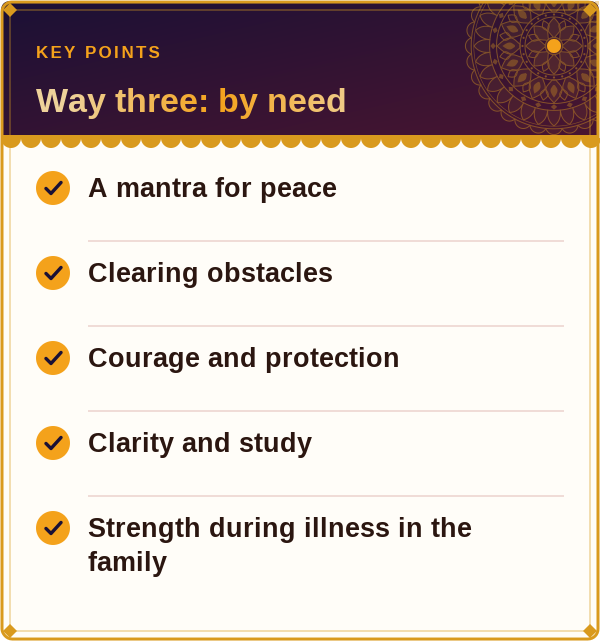
- A mantra for peace: Om Shanti Shanti Shanti, or the Upanishadic peace prayer beginning Om Sahana Vavatu.
- Clearing obstacles: Om Gam Ganapataye Namah.
- Courage and protection: the Hanuman Chalisa; see a forty-day Hanuman Chalisa practice.
- Clarity and study: the Gayatri mantra, or a Saraswati mantra. The guide to learning the Gayatri line by line helps.
- Strength during illness in the family: the Mahamrityunjaya mantra, always alongside medical care; see when families chant the Mahamrityunjaya mantra.
Once you have chosen
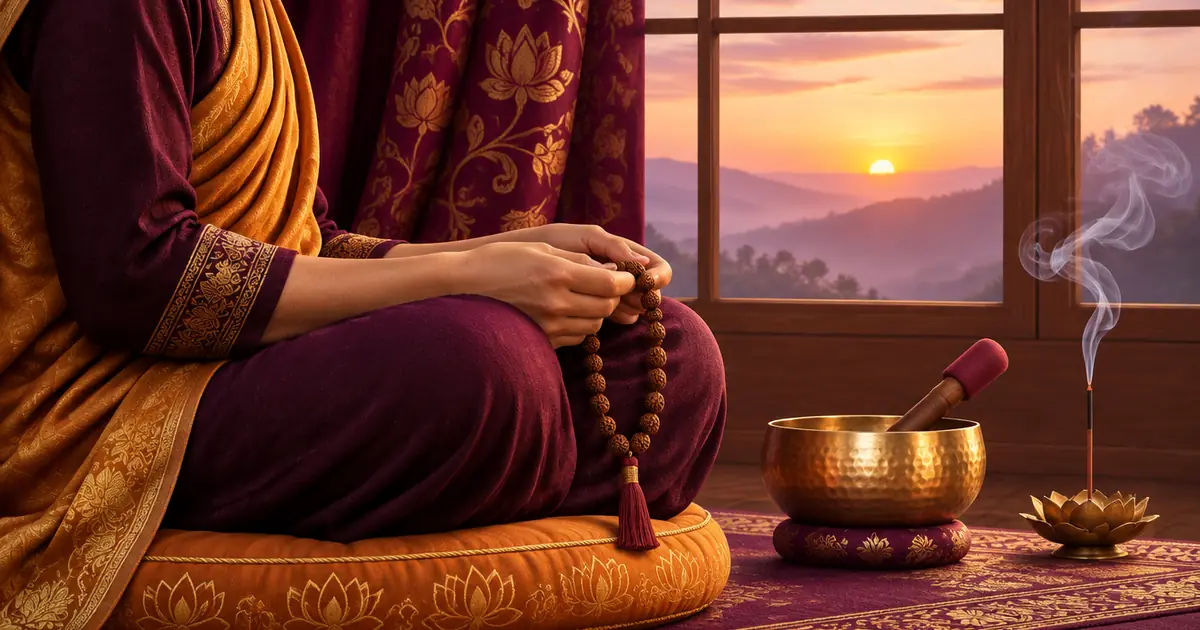
Commit to it. A common rhythm is one round of 108 daily on a japamala for at least forty days. Keep the same time and place where you can. If you want help choosing, or want a mantra matched to your chart and fitted into your actual week, personal mantra and meditation guidance does exactly that.
What a mantra cannot do
No mantra changes another person's will, decides a court case or replaces medical or psychological care. What steady practice offers is a calmer mind and a daily point of devotion. Astrologer and Psychic Vijayram helps people choose a mantra on those terms, without fear and without promises.
Common questions
Can I chant more than one mantra?
Yes, but keep one as your main practice. Many people chant a daily mantra and add another on a particular weekday or festival. Switching mantras every week, though, tends to leave you with none. Give one a steady forty days before deciding whether it suits you.
Do beej mantras need initiation?
Customs differ. The planetary beej mantras and widely chanted seed syllables such as Gam for Ganesha are recited by householders everywhere. Some tantric mantras are traditionally given only by a teacher after initiation. This practice teaches only the widely chanted ones and does not offer initiation.
Is there a mantra to make someone love me?
No mantra should be used to control another person, and this practice will not suggest one. A mantra can help you become calmer and clearer about a relationship. What another person feels is theirs to decide.
What if the planet in my chart scares me, like Saturn or Rahu?
Chanting for a demanding planet is a way of meeting it with respect, not a sign of danger. The posts on Shani remedies for a working week and Rahu and Ketu across the houses explain those planets calmly.
Related service
Keep reading

Gayatri Mantra at Sunrise: Learning the Pronunciation Line by Line
The Gayatri mantra meaning, line by line, with a plain pronunciation guide, the story behind the verse and a simple way to begin a daily count at sunrise.
Read article →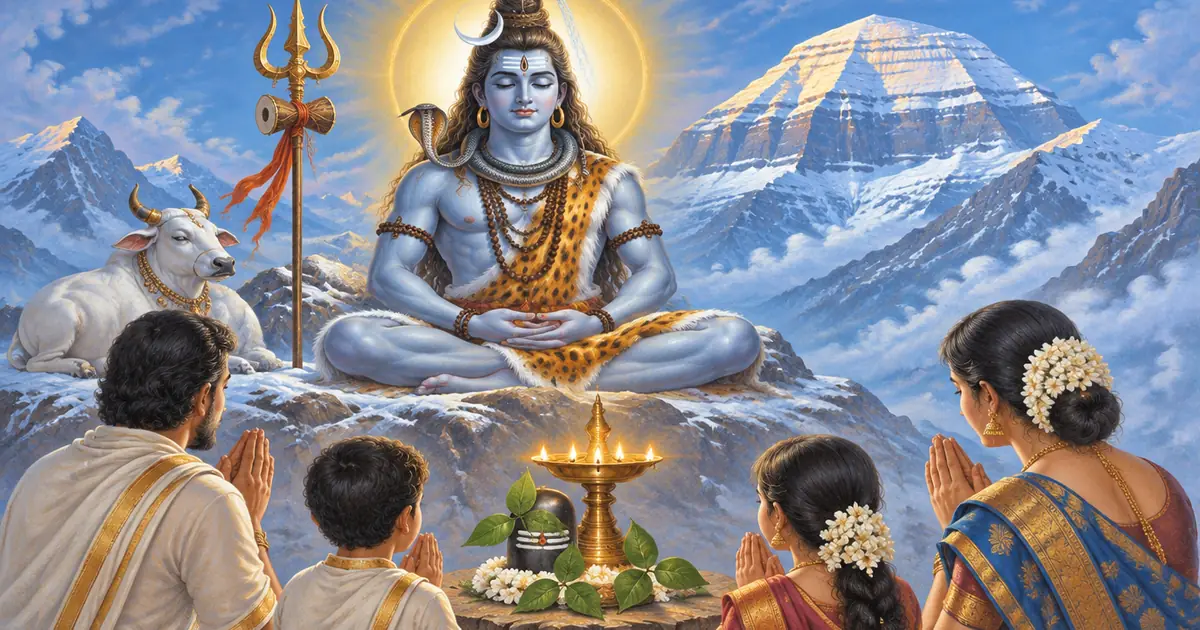
The Mahamrityunjaya Mantra: When Families Chant It
The Mahamrityunjaya mantra, its meaning and when families chant it: at a diagnosis, on surgery day, in recovery. A prayer for strength said beside treatment.
Read article →
Energy Cleansing and Therapy: Different Jobs
Energy healing vs therapy: what each one is for, why one never replaces the other, how to tell which you need first, and how to use both without conflict.
Read article →Quick answers
How will I know if an aura cleansing helped?
What is aura cleansing, and how do you know if it helped? What people describe afterward, the plain limits of a traditional practice, and when to see a doctor.
Read answer →Should I tell my doctor I am having spiritual healing sessions?
Is spiritual healing medical treatment? No. Why to tell your doctor about spiritual healing sessions, and how faith practice can sit beside your medical care.
Read answer →Talk to Astrologer and Psychic Vijayram
Tell us what you are facing. If a reading is unlikely to help, you will be told that plainly.